Pantiles, Slate and Stone: How York Roof Types Are Cleaned
Look up at your roof in York and there is a fair chance you are seeing one of three things: clay pantiles with their rolling S-shape, flat grey slate, or heavy stone flags. Each one wants to be cleaned in a different way. Get that wrong and you can crack tiles that have sat there happily for a hundred years.
Most people never think about what their roof is actually made of. Not until moss starts dropping into the gutters, or a buyer's survey flags a problem. The material under all that green matters more than you would guess. Here is how the common York roof types behave, and what a safe clean looks like for each.
The quick answer: York roofs are usually clay pantiles, Welsh slate, Yorkshire stone slate, or modern concrete tile. All of them respond well to low-pressure soft washing. None of them should ever meet a high-pressure jet, which strips the surface and splits older tiles.
1. Why the material matters before anyone climbs a ladder
A roof is not one thing. It is a surface with a texture, a porosity, and an age, and those three details decide how much cleaning it can take. Clay drinks water differently from slate. Stone behaves differently again. A cleaner who treats every roof the same is going to damage some of them.
York makes this obvious because the housing here spans centuries. You can walk from a Georgian townhouse near the Minster to a Victorian terrace off Bishopthorpe Road to a 1990s estate in Clifton Moor in half an hour. Three eras, three roof types, three jobs. The clean that suits one would harm another.
2. Yorkshire pantiles: the county's signature roof
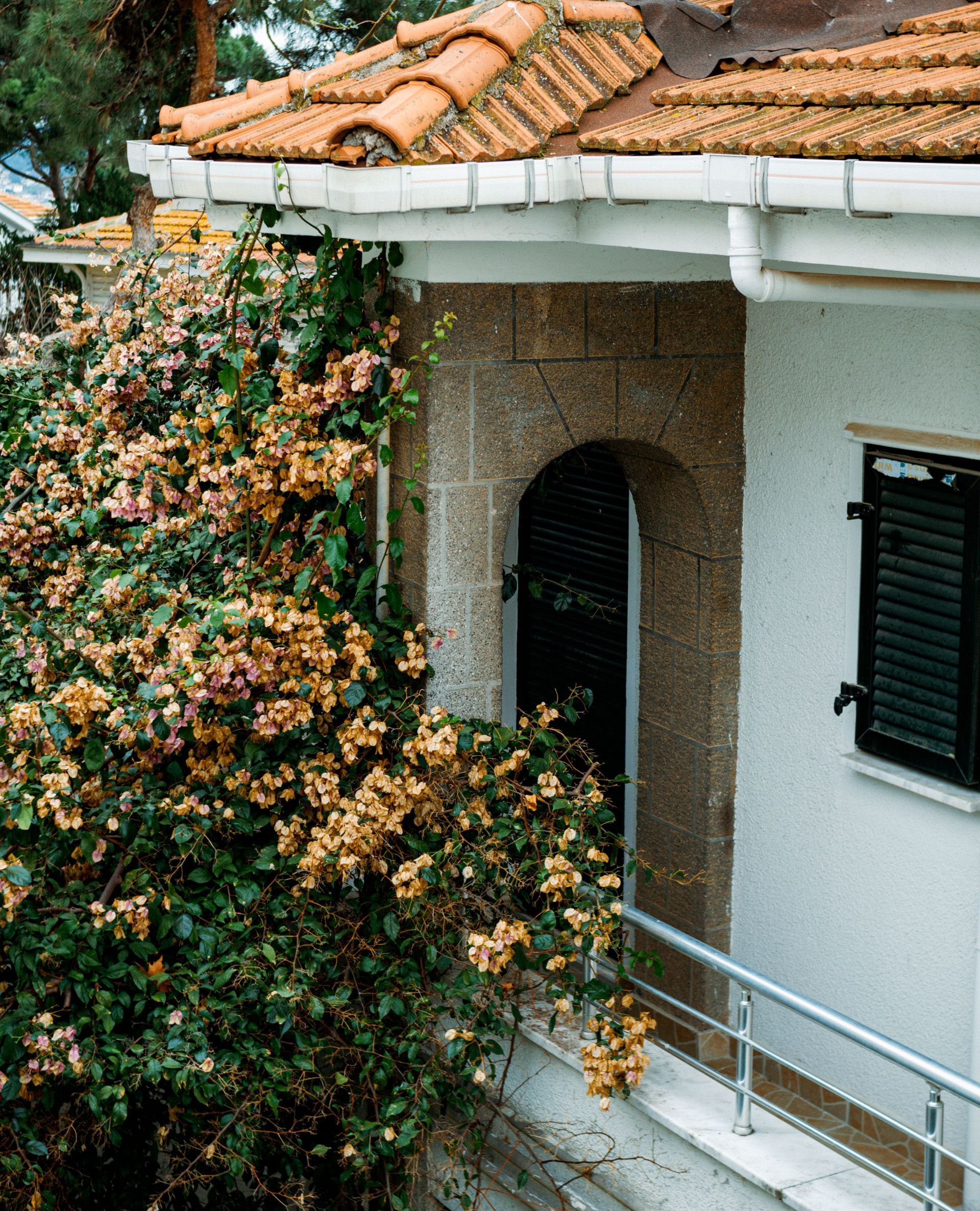
Pantiles are the ones with the wave. That S-curve is a Yorkshire and East Riding tradition going back to the 1700s, when they arrived through the Humber ports from the Low Countries and then got made locally in the region's clay pits. Warm orange, sometimes weathered almost brown, they sit low and interlock along their edges.
The catch with pantiles is those curves. Water and leaf litter gather in the troughs, and moss loves the shaded side of each roll. Blast that with pressure and you drive water sideways under the laps, straight into the roof timbers. Soft washing lifts the growth out of the hollows without forcing anything where it should not go.
Older pantiles also lose their hard outer skin once it is worn. Press a fingernail against a tired one and it can feel slightly chalky. That surface is what keeps the tile weatherproof, so a gentle method is the only sensible choice.
3. Welsh slate on York's Victorian terraces
When the railways reached York in the 1840s, cheap Welsh slate came with them. It went onto street after street of brick terraces built for railway workers and, later, the families who worked at Rowntree's and Terry's. If you live off Haxby Road or in South Bank, your roof is very likely slate.
Slate is thin, flat, and surprisingly brittle underfoot. It does not soak up water the way clay does, so the moss tends to sit on top rather than root in. That is good news for cleaning. The bad news is that a careless boot or a hard jet cracks slate in a heartbeat, and a cracked slate lets water straight through.
On these roofs the work is mostly about the fixings as much as the surface. Old iron nails rust and fail, which is why slates slip. A proper soft wash clears the moss and gives you a clear look at any slates that have already worked loose.
4. Yorkshire stone slate on older and rural homes
Stone slate is the heavy one. Split from local sandstone, these grey flags cover many of the oldest buildings in and around York, from farmhouses in the Vale to cottages in the villages that ring the city. They are thick, uneven, and laid in graduated courses, big flags at the bottom, small ones near the ridge.
All that texture is a haven for moss and lichen. The rough, open surface holds moisture for days after rain, so growth takes hold fast. These roofs need patience, not power. Many stone-slate buildings are listed or sit inside York's conservation area, so the method has to protect both the stone and the character of the building.
5. Concrete tiles on newer York estates
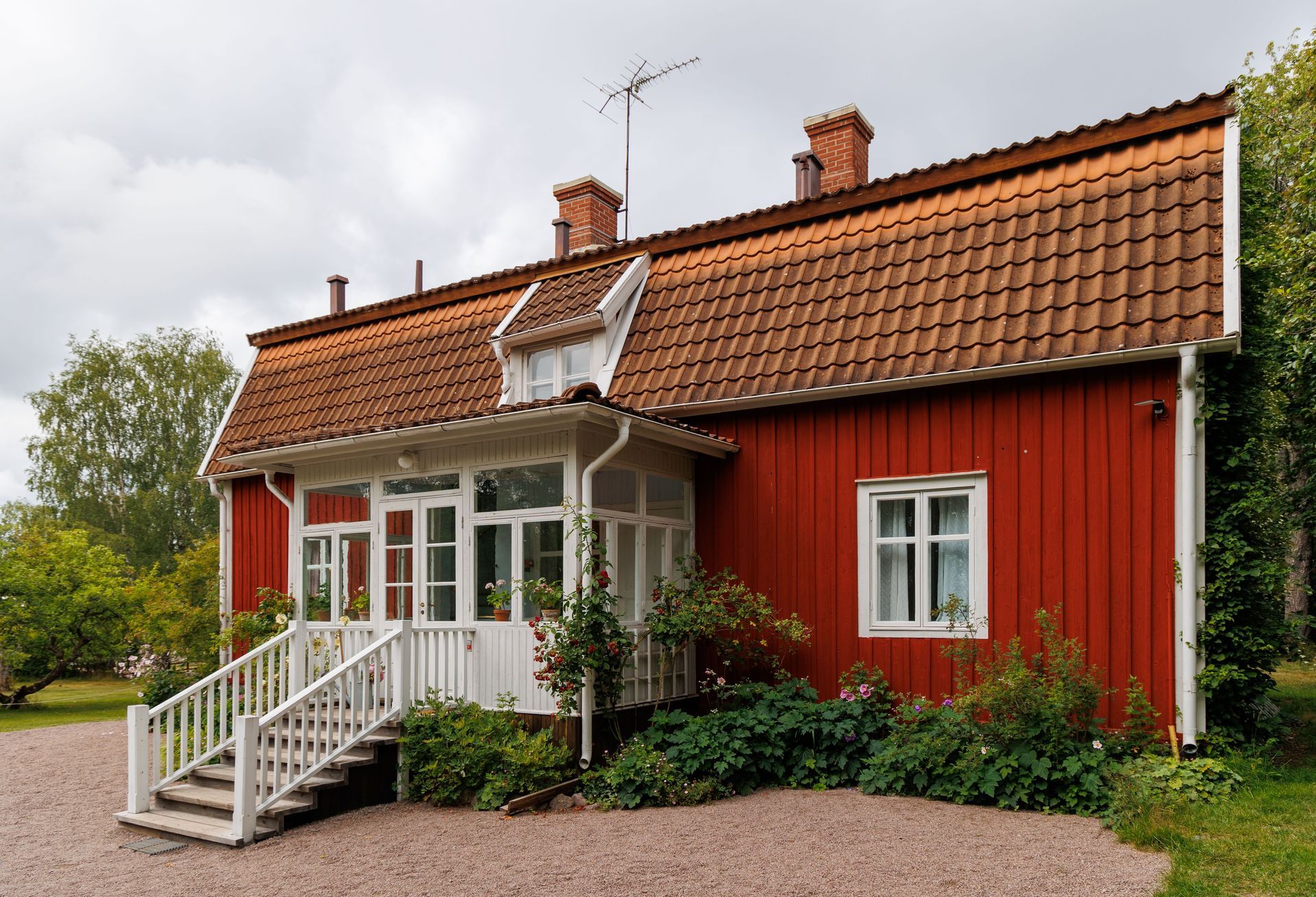
Head out to Huntington, Clifton Moor, or any estate built from the 1960s on, and the roofs change again. Concrete interlocking tiles are cheaper and heavier than clay, and they come with a coloured coating rather than natural colour running through them.
Here is the thing people miss about concrete. That coating wears off with age, and once it goes the tile turns porous and grabs moss even faster. High pressure tears off whatever coating is left and leaves the tile worse than before. Low-pressure cleaning with the right treatment clears the growth and buys the coating more time.
6. One safe method across all four
Different tiles, same answer. Soft washing uses a low-pressure spray and a biocide treatment that kills moss, algae, and lichen at the root, then lets the weather rinse the dead growth away over the following weeks. No hammering, no stripped surfaces, no water forced under the laps.
It is slower than blasting a roof with a pressure washer, and it looks less dramatic on the day. But a pressure-washed roof often looks great for a fortnight and then sheds tiles for years. Slower and gentler wins on a roof you want to keep.
A quick way to work out what you are looking at from the ground:
- Rolling orange waves: clay pantiles, common on older York and East Riding homes, gentle cleaning only.
- Flat, thin, dark grey rectangles: Welsh slate, the classic Victorian terrace roof, brittle and easily cracked.
- Thick, rough, uneven grey flags: Yorkshire stone slate, often on listed or rural buildings, holds moss badly.
- Uniform, chunky, same-colour tiles: concrete, found on post-war estates, porous once the coating wears.
Frequently Asked Questions
How do I tell if my roof is clay or concrete?
Clay keeps its colour all the way through and often looks slightly uneven and handmade. Concrete tiles are more uniform, feel heavier, and fade or streak as the surface coating wears. If yours are fading unevenly, they are almost certainly concrete.
Can pantiles really be damaged by pressure washing?
Yes. The high-pressure water gets under the interlocking edges and into the roof space, and it strips the weatherproof skin off older tiles. Soft washing avoids both problems.
My house is in the York conservation area. Does that change anything?
It can. Listed buildings and some conservation-area properties have limits on what you can do to the roof, so a gentle, non-damaging method is the safe route. Always check before any major work.
Why does moss come back so quickly on stone-slate roofs?
The rough, open surface holds water long after rain stops, and damp is exactly what moss needs. A good clean plus a biocide treatment slows the return, but these roofs will always need attention more often than smooth slate.
Is soft washing safe for a very old roof?
It is the safest option going. Low pressure means nothing gets forced or knocked loose, and the treatment does the work chemically rather than by force. For a century-old roof, that is exactly what you want.
Not sure what your roof is made of?
Ben's Roof Cleaning works on every roof type across York and North Yorkshire, from pantiles and slate to stone flags and concrete, with over 15 years of experience. Get in touch or call 01904 221291
for a free, no-obligation quote.
The right clean for the roof you actually have
Your roof has a history, a material, and a set of weak spots that come with its age. A clean that ignores all that is a gamble. Match the method to the material and you get the moss gone and the tiles intact, which is the whole point. Whether you sit under pantiles near the walls or slate out in the suburbs, the safe route is the same gentle one.